Many of us have tried to fight acne with harsh and severely drying products. Although it might seem to help dry out spots at first, this "war" does a great disservice to the skin's natural protective layer. When the skin's protective barrier is damaged and the skin becomes too dry, the body panics and starts producing even more sebum to compensate for the lack of moisture. This, in turn, leads to new clogged pores and even more spots.
Korean skincare (K-Beauty) approaches acne completely differently: the goal is not to aggressively dry out the skin, but to soothe, moisturise, and strengthen the skin's own protective abilities. Let's take a closer look at which natural ingredients help to gently manage acne.
Heartleaf – a skin soother and redness reliever Heartleaf is currently one of the most beloved ingredients in Korean skincare because it acts like a fire extinguisher for inflamed and irritated skin. The plant is known for its ability to quickly reduce redness. In addition, heartleaf has a natural antibacterial effect, which helps to control the specific bacteria that cause acne.
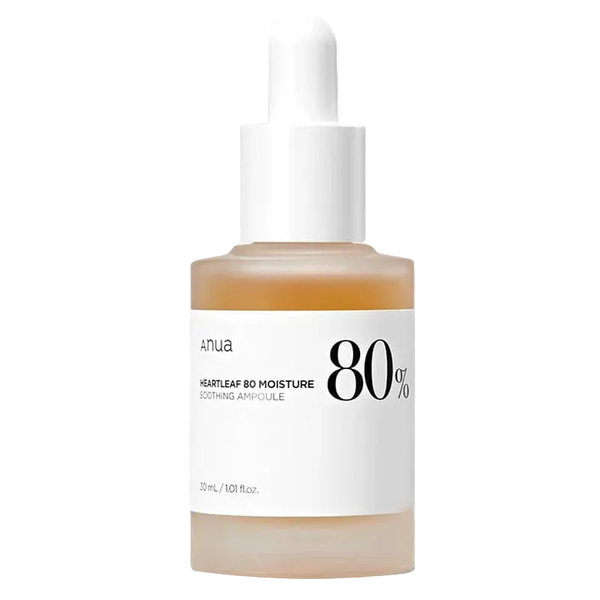
- What to try: For daily face washing, the Anua Heartleaf Quercetinol Pore Deep Cleansing Foam is an excellent choice, helping to control shine and excess sebum production. For particularly dry and damaged skin, the Anua Heartleaf 80% Moisture Ampoule serum provides deep, soothing hydration, helping to restore the skin's natural moisture balance.
Salicylic Acid (BHA) and Tea Tree – deep pore cleansers BHA, or salicylic acid, is the gold standard in acne care. Unlike many other substances, BHA is oil-soluble. This means it can penetrate deep into the pores, dissolving the sebum and dirt that has accumulated there, thus helping to prevent the formation of blackheads and whiteheads. Tea tree extract is also an excellent support for acne-prone skin, with a clinically proven strong antibacterial effect.
- What to try: After cleansing, the best choice for treating pores and toning the skin is the Anua BHA 2% Gentle Exfoliating Toner. This is a toner specifically designed for problem skin, combining pore-deep-cleansing 2% salicylic acid with bacteria-destroying tea tree extract. To prevent the acids from drying out the skin, the toner is enriched with six different ceramides and panthenol, which keep the skin's protective barrier strong and moisturised.
Centella Asiatica (Cica) – the skin repairer Centella Asiatica is known for its skin and wound-repairing properties. When there are active spots on the skin, cica helps the skin to renew and recover faster, preventing inflammation from worsening and supporting the skin's healing process.
- What to try: For specific spots and local problem areas, the Anua Heartleaf Centella Red Spot Cream is ideal. This cream combines the soothing properties of both heartleaf and Centella Asiatica to help spots subside more quickly.
Post-acne care: How to get rid of dark spots? Acne treatment doesn't always end when the spot disappears – often, a bothersome dark spot remains on the skin's surface. To solve this problem, niacinamide and alpha-arbutin are indispensable helpers, working to even out skin tone and lighten dark spots.
- What to try: Axis-Y Vegan Dark Spot Correcting Glow Cream (or the serum from the same line) is specifically designed to fade post-acne spots. In addition, the cream contains ingredients that strengthen the skin's protective barrier, providing necessary hydration after a period of active acne.
When can home skincare help, and when should you see a doctor? Although high-quality and correct skincare products can work wonders, it is important to understand where the line between cosmetics and medicine is drawn.
Kumii products are most beneficial if you have:
- Mild to moderate acne: Occasional spots, blackheads, or whiteheads.
- Clogged pores and excess sebum production: The acids (like BHA) and plant extracts in the products help to keep pores clean and reduce facial shine.
- Post-inflammatory spots and sensitive skin: Our products are designed to soothe the skin, reduce redness, and fade dark spots after active acne has subsided.
You should definitely see a dermatologist if:
- You have severe or cystic acne: These are deep, subcutaneous, and painful nodules for which home cosmetics are not enough and which often require prescription medication.
- Acne is leaving deep scars on your skin: Timely medical attention can help prevent permanent skin damage.
- You have open wounds or severe skin inflammation: If the skin is severely damaged or you suspect another skin condition (such as severe eczema).
- The situation does not improve: If you have consistently used a gentle and supportive skincare routine for 4–6 weeks, but see no signs of improvement. Cosmetics support skin health but do not replace medical treatment for diseases.