The world of Korean skincare (or K-beauty) is exciting, innovative, and offers wonderful results. However, it can also seem a little daunting at first glance – especially when you hear about the famous "10-step routine" and see endless new products on social media.
How do you navigate this information overload? Let's break it down calmly.
The golden rule of Korean skincare: prevent rather than treat
In Western skincare, we are often used to acting only when a problem has already appeared – we buy strong acne creams when a pimple shows up, or potent acids when fine lines start to bother us.
The philosophy of Korean skincare, however, is the complete opposite: "Prevent rather than treat" (prevent rather than treat). At the core of this approach is maintaining the skin's natural protective barrier, continuous deep hydration, and avoiding sun damage! Healthy and well-cared-for skin can protect itself and glows naturally, without us having to punish it with harsh products.
Know your skin type
Before you add the first product to your basket, it's important to take a moment in front of the mirror and understand what your skin really needs. Does your skin feel tight after washing (dry)? Does it start to get shiny during the day (oily)? Is your T-zone shiny, but your cheeks are dry (combination)? Or does it react to anything new with slight redness (sensitive)?
Korean cosmetics are brilliant precisely because there is a perfectly suited product for every skin type and specific concern. Choosing products according to your skin type is the first step to avoiding disappointment.
Slow and steady: how to start a routine?
The biggest mistake beginners make is buying ten new products and trying them all on the same evening. As the selection of products is large and there is a lot of information, it's easy to get carried away and purchase many different items. As a beginner, you must remember that your skin is not used to such a large amount of new active ingredients. The result can be irritation or an unexpected reaction, and you won't even know which product caused it.
Start step-by-step. Add a maximum of one or two new products to your skincare routine at a time. Give your skin a couple of weeks to get used to it and learn the new active ingredient before adding the next new product.
Which products to buy first?
You don't need many products to start a skincare routine – the foundation for healthy, radiant skin consists of just three (or four) basic products. Once you have these and they work well for you, you're already halfway to a glowing complexion!
A good cleanser: It's ideal to start right away with a gentle double cleanse (cleansing oil/balm + water-based cleansing gel). Healthy skin starts with cleanliness!
A moisturising cream: A cream that suits your skin type and locks moisture into the skin to keep the skin barrier strong.
Sunscreen (SPF): The undisputed star of the daytime routine. It's the best (and most affordable!) anti-ageing product you can use for your skin. Without it, all other expensive serums are just a waste of money.
The next level: The 10 steps of Korean skincare
Once the basics are in place and you want to take your routine to the next level, you can start adding new products to your daily routine. Remember – you don't have to do all ten skincare steps every day! It's a toolbox from which to choose the right tools according to your skin's current needs.
1. Makeup remover (oil-based cleanse) Why it's necessary: This is the first and arguably one of the most important steps of the famous "double cleansing" ( double cleansing). An oil-based cleanser melts away oil-based impurities – makeup, sunscreen (SPF), and excess sebum.

2. Face cleanser (water-based cleanse) Why it's necessary: The second step of the double cleanse. A water-based cleansing foam or gel removes water-based impurities from the skin, such as sweat and environmental pollutants. The result is perfectly clean skin.

3. Exfoliator (1-2 times a week) Why it's necessary: Removing dead skin cells is the secret to a radiant and even complexion. Exfoliation helps prevent clogged pores, reduces dullness, and allows serums and creams to penetrate much deeper into the skin, making them more effective. NB! If you have dry and sensitive skin, using an exfoliator can further damage an already weakened skin barrier.

4. Toner Why it's necessary: Korean toners are designed to restore the skin's pH after cleansing and to provide the first layer of light hydration. It's like wetting a dry sponge – damp skin absorbs subsequent products many times better. We recommend trying toner pads, which can also be used as a mask.

5. Mask (sheet mask, wash-off, or leave-on, choose as needed) Why it's necessary: This is your skin's at-home spa treatment and "first aid". Masks contain a higher concentration of active ingredients, allowing for a quick skin boost, for example, before an important event. Our product range includes both sheet and hydrogel masks. We recommend experimenting with different types.

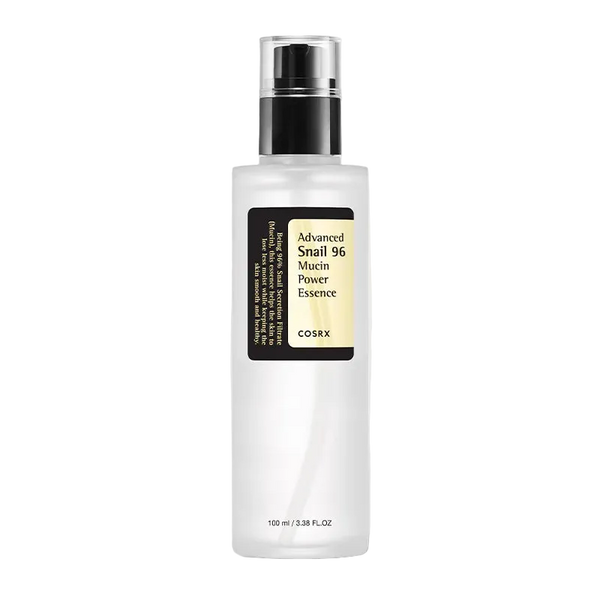
6. Essence Why it's necessary: Essence is the heart and soul of Korean skincare. It's lighter than a serum but thicker than a toner, providing deep, cellular-level hydration and helping with cell turnover. This is the step that gives the skin that coveted, dewy glow.

7. Serum (and Ampoule) Why it's necessary: This is where the real work happens! Serums are highly concentrated cocktails of active ingredients aimed at solving a specific concern (e.g., pigmentation spots, fine lines, acne, or dryness). Ampoules are even more potent "relatives" of serums.

8. Eye care Why it's necessary: The skin around the eyes is the thinnest and most delicate area of the face, where signs of fatigue and ageing usually appear first. A special cream provides the necessary gentle hydration, protects the skin barrier, and helps reduce dark circles or puffiness. Eye patches offer a quick, intensive treatment.

9. Cream (moisturiser) Why it's necessary: A cream acts as a "lid" in your skincare routine. Its main purpose is to lock in all the moisture and active ingredients from the previous steps (toner, essence, serum) and to protect the skin barrier from external factors. Without a cream, moisture evaporates quickly from the skin.

10. Sunscreen (in the morning) Why it's necessary: The most important anti-ageing step in your routine. Sunscreen protects the skin from UV damage, which causes premature ageing, pigmentation spots, and skin problems. Korean SPFs are known for their lightweight texture and skincare-like properties – they don't leave a white cast or feel sticky on the skin.